Every few months, a headline reminds crypto holders of an uncomfortable truth: coins kept on an exchange are only as safe as that exchange. So what is a cold wallet, and why do security-minded investors treat one as non-negotiable? In plain terms, a cold wallet keeps the keys to your cryptocurrency on a device that never touches the internet, which puts your funds out of reach of remote hackers entirely. Here is how cold storage actually works, what it protects you from, what it does not, and how to decide whether you need it.
Hot wallets and cold wallets, the real difference
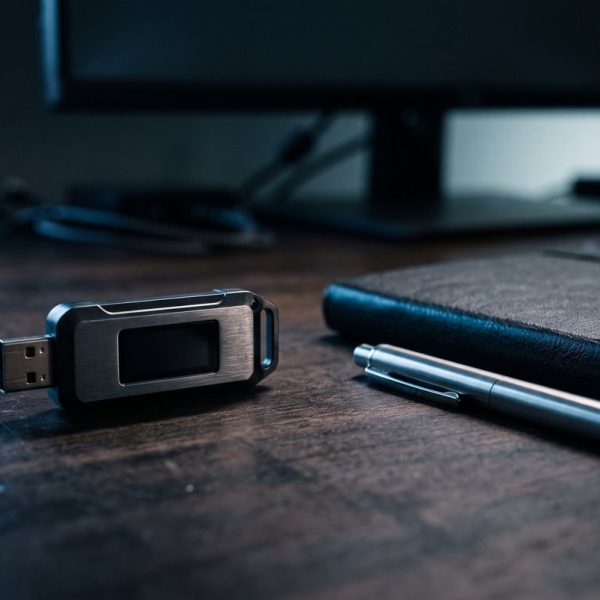
The distinction has nothing to do with temperature and everything to do with connectivity. A hot wallet, whether a mobile app or a browser extension, stores your private keys on an internet-connected device. That makes spending and trading effortless, and it makes those keys a target for malware, phishing pages and clipboard hijackers. A cold wallet keeps the private keys offline, typically on a small hardware device from makers like Trezor, Ledger or Tangem. Transactions are prepared on your computer, signed inside the offline device, and only the harmless signature travels back online. The keys themselves never leave the hardware.
How cold storage works under the hood
Ownership of cryptocurrency is really ownership of a private key, a long secret number that authorizes transfers on the blockchain. A cryptocurrency wallet does not hold coins the way a leather wallet holds cash; it holds these keys and signs transactions with them. Cold storage isolates that signing step inside a dedicated chip with no Wi-Fi, no Bluetooth radio in the strictest models, and a screen that shows you exactly what you are approving. Even if the computer you plug it into is riddled with malware, the attacker cannot extract the key or alter the transaction without your physical confirmation on the device itself.
The trade-offs nobody mentions
Cold wallets solve remote theft, but they introduce responsibilities of their own. Lose the device and the recovery phrase, and no support line on earth can restore your funds; an estimated fifth of all Bitcoin is already stranded this way. The recovery phrase, usually 12 or 24 words written down at setup, becomes the single most valuable object you own, and anyone who photographs it owns your crypto. There is also friction: moving funds takes minutes instead of seconds, which is deliberate, but frustrating for active traders. And counterfeit devices exist, so hardware should only ever be bought directly from the manufacturer, never second-hand. Teaching 21st century skills like problem-solving and collaboration matters as much as core subjects.
Choosing between the main types of cold wallet
Not all offline storage looks alike. The classic USB-style hardware wallet, the category Trezor and Ledger built, connects to a computer only when you need to sign something and shows every detail on its own small screen. Card-shaped devices like Tangem tap against your phone using NFC, trading some of that isolation for convenience that newcomers find much easier to live with. Air-gapped models such as Ellipal go the other way, communicating exclusively through QR codes so that no cable or radio ever bridges the device to the internet. At the far end sits the humble paper wallet, a printed key that costs nothing but forgives no mistakes. For most people, a mainstream hardware wallet from an established maker hits the right balance of security, price and usability.
Cold wallets appeal to people who have understood that in finance the irreversible mistakes are the ones worth engineering against. Documentation carries the same asymmetry: an error in a translated disclosure cannot be quietly corrected once it has been relied upon. This piece on financial translation sets out the legal consequences that follow.
Setting one up without shooting yourself in the foot
The setup ritual matters as much as the purchase. Initialize the device yourself and let it generate a fresh recovery phrase; a wallet that arrives with a phrase already printed has been compromised before it reached you. Write the words by hand on paper or stamp them into steel, store them somewhere fire and flood cannot reach, and never photograph them. Then, before moving your savings, send a small test amount, wipe the device, and restore it from your written phrase. Those ten extra minutes prove your backup actually works while the stakes are still trivial, which is exactly when you want to find out.
Security habits that matter more than hardware
A cold wallet cannot save a user who signs whatever appears on screen. Most large personal losses today come from social engineering: fake support agents, poisoned airdrops and lookalike websites that trick people into approving malicious transactions. The discipline that companies apply through layered cybersecurity solutions for business applies at home in miniature: verify addresses character by character, treat urgency as a red flag, keep firmware updated, and never type a recovery phrase into anything with a keyboard. The hardware handles the cryptography; the habits handle everything else.
So, do you actually need one?
The honest answer depends on the size of your holdings and how often you move them. A common rule of thumb in communities like r/CryptoCurrency on Reddit is that once your crypto is worth more than a month's salary, or more than you would carry in cash, offline storage stops being optional. Small, frequently traded amounts can reasonably live in a reputable hot wallet. Long-term savings belong in cold storage, full stop. Many holders settle on a two-tier setup: a hot wallet as the checking account, a cold wallet as the vault. It is the same logic banks have used for centuries, applied to a technology that finally lets you be your own bank, with all the freedom and responsibility that phrase implies.